Cerebral Palsy and Fine Motor Skills in Children
Cerebral Palsy (CP) is a group of permanent disorders of the development affecting movement and muscle tone, with varying impacts on fine motor skills and daily activities. Understanding the association between cerebral palsy and fine motor skills is critical in developing effective treatment and support strategies for affected individuals.
If you prefer to listen to this post, hit the play button below!
What is Cerebral Palsy and How It Affects Fine Motor Skills
Cerebral Palsy is a neurological disorder caused by a non-progressive brain lesion, often occurring before, during, or shortly after birth. It primarily affects body movement and muscle coordination. Within the spectrum of CP, fine motor skills are often impacted, which includes the ability to perform tasks requiring small muscle movements, such as picking up small objects, writing, or using utensils. The severity of these impairments can vary greatly, ranging from mild coordination problems to severe muscle stiffness or weakness.
Therapeutic Play Activities for Children
Hand Functioning in Cerebral Palsy
According to a study titled Hand Functioning in Cerebral Palsy, children with CP may experience difficulties in manual activities due to hand dysfunctions. The study explored the interplay between various hand skills and manual ability (MA). It was found that not all hand dysfunctions directly impact MA. For example, grip strength (GS) was indirectly related to MA through its association with gross manual dexterity (GMD). This insight is crucial for treatment plans focusing on improving hand functions in CP (Arnold et al, 2014).
Benefits of Occupational Therapy to Help Kids with Cerebral Palsy
Occupational therapy plays a vital role in assisting children with CP. It focuses on improving their daily and everyday activities, such as eating, dressing, and writing. An occupational therapist may work on enhancing fine motor functions, motor control, and the use of their hands in daily tasks. Additionally, doctors may recommend physical therapy to help with gross motor skills, assistive devices or adaptive equipment to achieve better performance in everyday tasks and activities of daily living.
Fine Motor Activities and Ideas for Children with Cerebral Palsy
Incorporating fun and playful fine motor activities throughout the day is a great way to work on the development of fine motor skills. INcluding functional activities such as gardening or cooking
- Puzzle Assembly: Enhances hand-eye coordination through the fitting of puzzle pieces.
- Play Activities with Musical Instruments: Builds grip strength and hand movements while creating music.
- Messy Play: Improves fine motor tasks and cognitive abilities through painting, playing with clay, or finger painting.
- Building Blocks: Stacking and arranging blocks aids in developing precision and coordination.
- Sorting Games: Activities involving sorting shapes or colors help in refining motor skills and cognitive development.
- Threading Beads: Stringing beads onto a cord enhances dexterity and focus.
- Buttoning Activities: Practice with button boards or old shirts to improve finger strength and coordination.
- Crafting with Scissors: Cutting along lines in paper with child-safe scissors to develop hand control.
- Gardening Activities: Small tasks like planting seeds or watering plants with a spray bottle.
- Playing with Dough: Kneading and shaping dough or playdough to strengthen hand muscles.
- Drawing or Tracing: Encourages control and movement of the hands and fingers.
- Using Tongs or Tweezers: Picking up small items helps in refining grip and release movements.
- Interactive Touchscreen Games: Engage in digital games that require fine motor manipulation.
- Squeezing Stress Balls or Soft Toys: Enhances grip strength and muscle tone.
- Playing with Velcro: Attaching and detaching Velcro strips or shapes.
- Magnet Activities: Using magnets to move objects or create pictures.
- Simple Cooking Tasks: Like stirring, pouring, or using cookie cutters.
- Lacing Shoes or Boards: Not just tying but lacing can be beneficial. THis is helpful to get ready for learning tying shoelaces.
- Finger Puppets: Encourages storytelling while moving fingers individually.
- Sticker Activities: Peeling and placing stickers is a good exercise for fine motor precision.
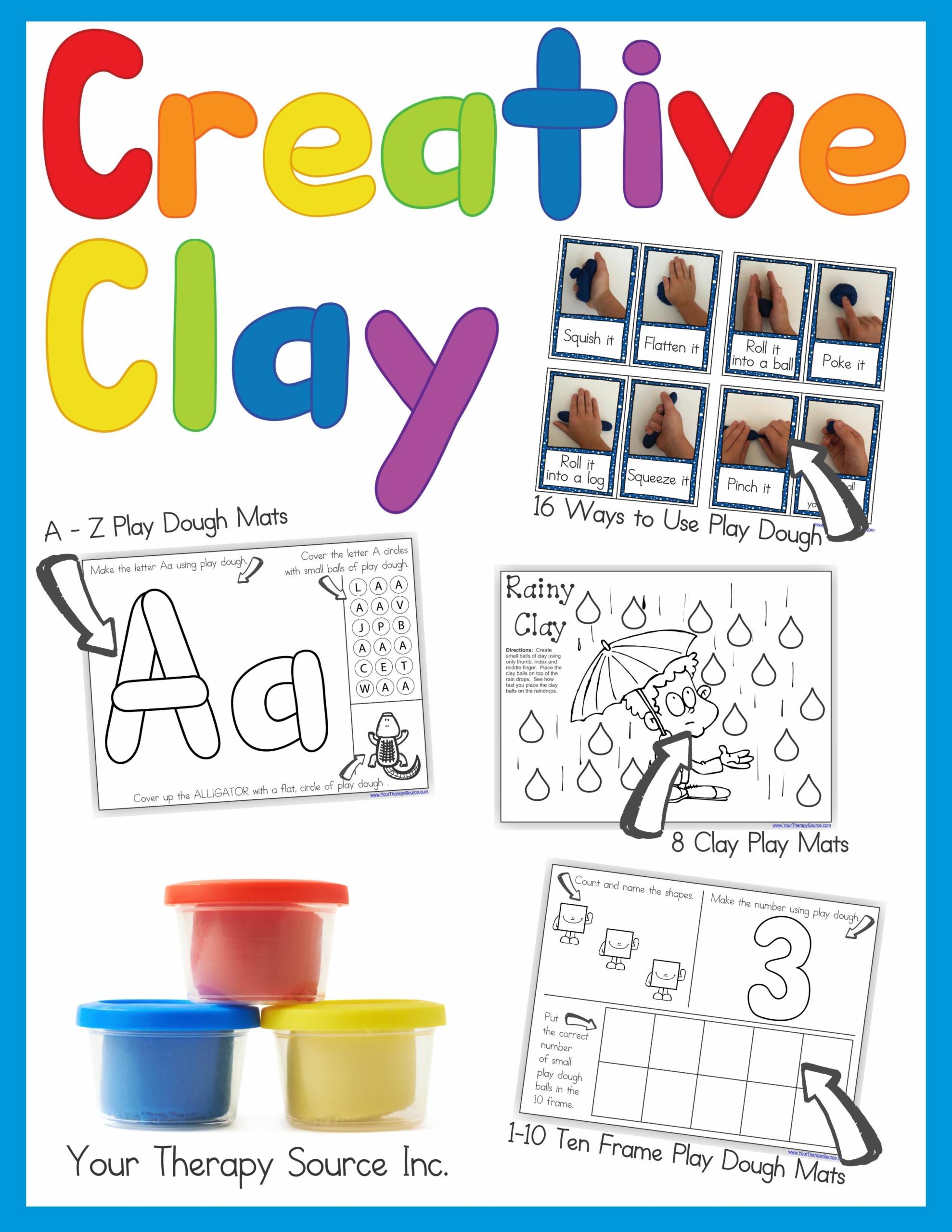
Creative Clay Activities Updated
Environmental Modifications – Cerebral Palsy and Fine Motor Skills
Children with Cerebral Palsy often face challenges with fine motor skills, which are crucial for everyday tasks. Fine motor skills involve the coordination of small muscles in movements—usually involving the synchronization of hands and fingers—with the eyes. Environmental modifications can play a significant role in supporting and improving these fine motor skills in children with Cerebral Palsy, enabling them to engage more effectively in daily activities. Tailoring their surroundings to meet their specific needs can greatly enhance their ability to perform tasks that require precise motor control and coordination. During a session of pediatric occupational therapy, a treatment plan may be devised to add modifications for the child such as:
- Specialized Seating: Ergonomically designed chairs provide proper support and stability, essential for fine motor activities like writing or drawing.
- Adjustable Desks: Desks that can be adjusted for height and angle ensure comfortable hand positioning, crucial for tasks requiring fine motor control.
- Customized Utensils: Eating utensils with easy-grip handles or adapted grips make holding and using them easier, enhancing fine motor skills during meals.
- Non-slip Mats: Placed under objects to prevent sliding, these mats facilitate better control over items during fine motor tasks like crafting or assembling puzzles.
- Height-Accessible Shelving and Storage: Shelves and storage units at an appropriate height encourage children to reach and grasp objects, practicing fine motor skills.
- Keyguards for Keyboards and Touchscreens: These adaptations help children with CP accurately press keys or touch screen options without unwanted pressing of adjacent keys, enhancing precision.
- Alternate Handwriting Options: Writing instruments with wider grips or adaptive holders allow for better control and ease in writing or drawing activities. Students may need to use assistive technology instead of using a pencil.
- Button and Zipper Aids: Tools designed to assist with buttoning clothes or zipping up jackets, enabling children to perform these everyday tasks with greater ease.
- Modified Scissors: Scissors with adapted handles or spring-loaded scissors can be easier to operate, aiding in cutting tasks and crafts.
- Weighted or Stabilized Bowls and Plates: These help reduce spills and facilitate self-feeding, enhancing independence in eating and improving fine motor coordination.
Each of these modifications is designed to create an environment that is more conducive to the development and practice of fine motor skills for children with cerebral palsy. By adapting their surroundings, we can empower these children to engage more effectively in daily activities and enhance their ability to perform tasks that require fine motor control.
Constraint Therapy and Hand-Arm Bimanual Intensive Therapy: Enhancing Fine Motor Skills in Cerebral Palsy
Constraint Therapy and Hand-Arm Bimanual Intensive Therapy (HABIT) are specialized therapeutic approaches associated with the improvement of fine motor skills in individuals with Cerebral Palsy (CP). These therapies are designed to address the specific challenges CP poses to fine motor skill development, focusing on enhancing muscle coordination and movement precision in the upper extremities. By implementing targeted exercises and activities, these therapies aim to maximize the functional abilities of individuals with CP, directly impacting their daily life and independence.
Given that these are evidence-based interventions, a healthcare provider such as a physician, occupational therapist, or physical therapist can offer insights into the latest research, tailor the therapy to the patient’s unique needs, and set realistic goals. They play a pivotal role in ensuring that these therapeutic strategies are effectively integrated into the individual’s overall treatment plan, thereby enhancing their fine motor skills and overall quality of life.
Empowering Independence through Enhanced Fine Motor Skills in Cerebral Palsy
In summary, the journey of managing and improving fine motor skills in individuals with Cerebral Palsy is multifaceted and requires a comprehensive approach. From understanding the intricate nature of CP and its impact on fine motor skills, to implementing playful and functional activities, the goal is to foster independence and enhance the quality of life for those affected. Occupational therapy, along with environmental modifications, plays a pivotal role in this journey, offering tailored solutions that cater to the unique needs of each individual. The integration of evidence-based interventions like Constraint Therapy and Hand-Arm Bimanual Intensive Therapy further underscores the importance of specialized care in enhancing fine motor skills. Ultimately, the collaborative effort between healthcare providers, caregivers, and individuals with CP is key to unlocking their potential and enabling them to navigate their world with greater ease and confidence.
REFERENCE
Arnould C, Bleyenheuft Y, Thonnard JL. Hand functioning in children with cerebral palsy. Front Neurol. 2014 Apr 9;5:48. doi: 10.3389/fneur.2014.00048. PMID: 24782821; PMCID: PMC3988367.